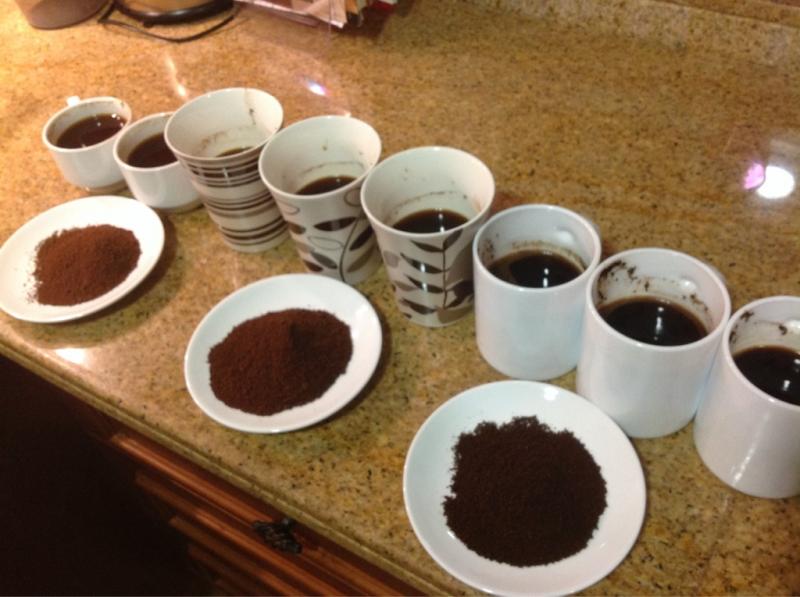
Typically, sample roasters do not have the same precision in terms of controls as a quality commercial roasting platform, e.g. they have heat and constant airflow, so you can't really do anything exotic on a sample roaster by playing around with agitation or airflow speeds. The methods used to roast on the small sample roasters are quite basic - a heat source and time (duration). Generally, when driving a sample roaster you run to a simple procedure of heat on at level X and for Y time, or until crack or other distinguishing mark in the roast process, etc. I have some personal opinions about the use of sample roasters in a commercial sense. Yes, they are a nice small and easy to use tool when evaluating a bean, but the heat map (stamp or signature) of a sample roaster will be dramatically different to something like a 30 - 120kg roaster - the coffee will taste completely different, unless of course it is from the same brand. What we also see is that the majority of sample roasters have high levels to conductive thermal transfer whereas many large commercial roasters use higher levels of convective (air). I see sample roasters deployed in these sophisticated lab environments at some joints here in Melbourne and tend to have a quiet chuckle to myself - there is no way something on that will mirror the big unit outside in the warehouse. The true test is when the coffee runs through the production machine. We often have brokers wanting to send us 200g of green beans to evaluate. My response is......no, I want to buy a 60kg bag so I can run a few batches through the actual roasting platforms that are used for customer coffees. In terms of roast profiles. The stuff you roast for cupping will generally not work so well through an espresso machine - sometimes it will for black (especially fruit coffees), but rarely for milk-based espresso. Flavor is the by-product of extraction/brew efficiency+effectiveness - rather than from the way it was roasted (well, that's not true technically, but conceptually of course). Flavor is the oil being released and this needs to be carefully matched to the extraction or brew method - so the roasting profile needs to be considerate of that brew or extraction type at the time of roasting. Things can easily go wrong during roasting to make it "difficult" or "challenging" to release the oils from the bean. All sorts of problems such as internal or external scorching, baking, stalling, lack or adequate airflow, too much airflow, inconsistent rate of rise, too dark, too light, etc. In terms of cupping for flavor versus defects - I'm afraid this is one and the same - an optimum value (efficiency) existing for the brew method of cupping (which is different to espresso, or filter) - this is where the flavor AND the defects will be most pronounced (or detectable). Yes, there is a place for sample roasters and it's typically in the green bean evaluation side of the business. Taking a profile used on a sample roaster and then transferring the same concepts to a commercial roasting platform does not work. Each roaster has it's own quirky heat map and this needs to be fully understood as to how it translates to the roasted bean result. It's almost Ramadan - just few weeks to go......which will make it hard in summertime over there in Dubai with longer daylight periods for those of the faith.